
Categories
Condo LoansPublished September 4, 2026
Can You Get a Mortgage on That Miami Condo?

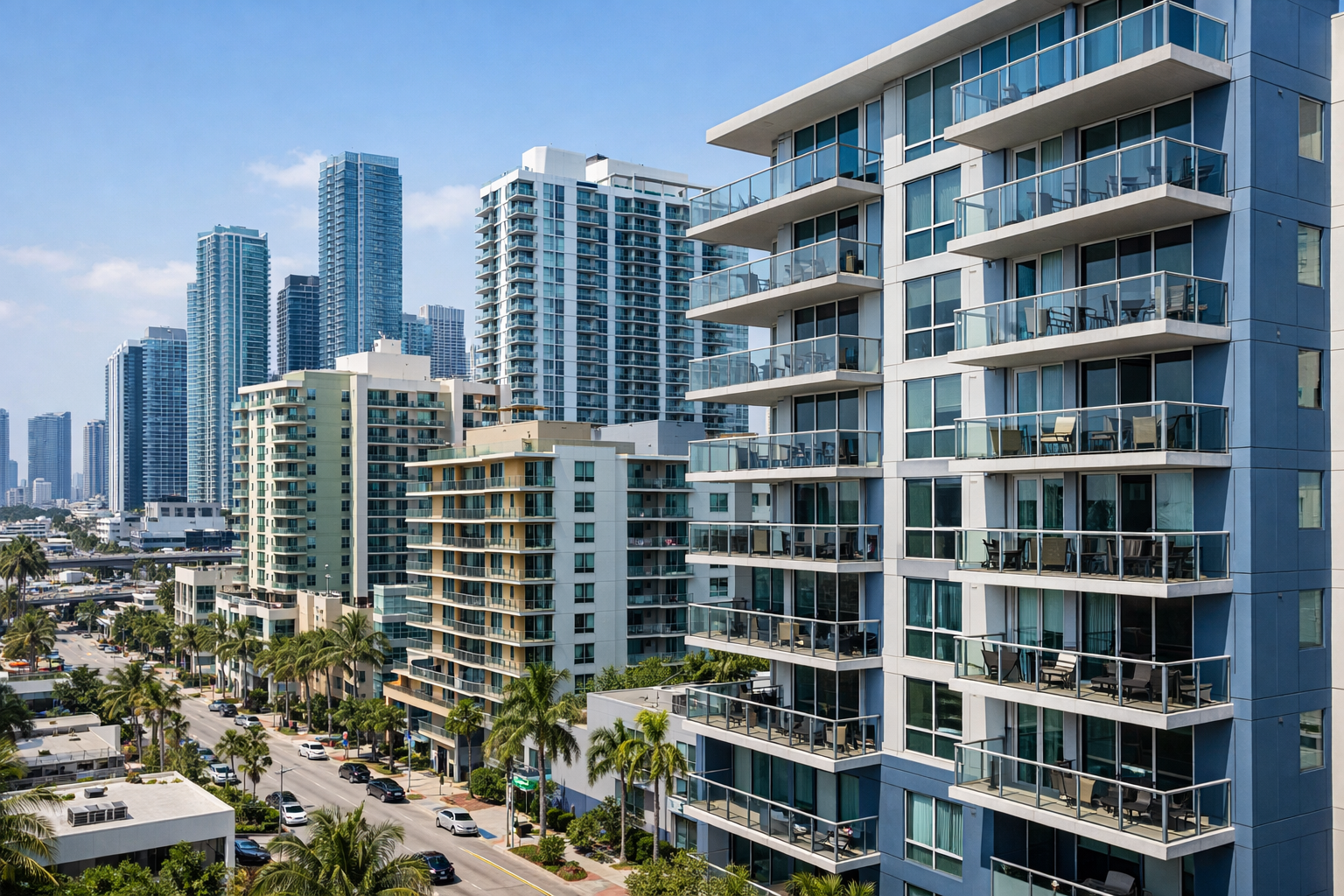
Can You Get a Mortgage on That Miami Condo?
How do you find out if a Miami condo can be financed before you make an offer?
In Miami-Dade, the building has to qualify for a loan just like you do. Before you write an offer, ask the listing agent for the association's master insurance certificate, most recent budget and reserve schedule, milestone inspection report, and structural integrity reserve study, then have your lender run the project through Fannie Mae's Condo Project Manager. Fannie Mae will not tell a buyer directly whether a project is flagged as ineligible — only your lender or the association can pull that status. And as of August 3, 2026, the streamlined review path that used to let strong buyers skip that scrutiny is gone.
By Pedro Casanova | August 21, 2026
There's a version of this call I've taken more times than I'd like over the last two years. A buyer finds a condo they love. Their credit is strong, their down payment is real, their pre-approval letter is in hand. They go under contract. Three weeks later the lender comes back and says the loan is dead — not because of anything the buyer did, but because of the building.
That's the part almost nobody explains up front. In a Miami condo purchase, there are two borrowers: you and the association. You can be flawless and still get declined.
And the rules just got stricter.
What changed on August 3, 2026
Fannie Mae and Freddie Mac issued coordinated policy updates in March 2026 (Fannie Mae's version is Lender Letter LL-2026-03). The headline change: for loan applications dated on or after August 3, 2026, Fannie Mae retired its Limited Review process and Freddie Mac retired its Streamlined Review option.
Here's what that means in plain terms. Limited Review was the shortcut. If you put enough money down on an established condo project, your lender could skip most of the deep dig into the association's finances, insurance, and litigation history. Roughly 40% of condo project reviews used to run through that shortcut.
It's gone. Now, for established projects above a small-unit threshold, the lender does a Full Review — reserves, budget, master insurance policy, litigation, delinquency rates, investor concentration — no matter how strong you are as a borrower.
Two more dates worth having on your radar:
- July 1, 2026 — Fannie Mae capped the allowable master property insurance deductible at $50,000 per occurrence, per unit. Buildings carrying a higher deductible to keep premiums down can fall out of eligibility.
- January 4, 2027 — the reserve funding requirement rises from 10% to 15% of the association's annual budgeted assessment income. Some Miami-Dade associations will need to raise dues to stay financeable.
If you're shopping condos this fall, the practical effect is simple: the building's paperwork is now doing more to decide your loan than your paperwork is.
Why so many South Florida buildings are flagged
Fannie Mae maintains an internal status for condo projects, and a project can be marked "ineligible," which means loans in that building can't be sold to Fannie Mae. Lenders generally won't write them.
Fannie Mae's own published figures put the national ineligible rate at 3.6% of projects as of August 2025 — small in the aggregate. South Florida is not the aggregate. A widely reported March 2025 dataset showed roughly 696 buildings across Miami-Dade, Broward, and Palm Beach on the ineligible list, out of about 1,438 statewide. Nearly half of Florida's flagged buildings sat in the tri-county area.
Per Fannie Mae, the two most common reasons a project gets flagged are:
- Insufficient master property insurance — the single biggest driver, and the one hardest for an association to fix in a market where premiums have doubled.
- Critical repairs and deferred maintenance, including failure to meet state or local inspection requirements. In Florida, that's the milestone inspection under F.S. 553.899 and the structural integrity reserve study.
Two more show up often in Miami specifically:
- Condotel or short-term-rental operations. Fannie Mae cannot finance projects that operate as a hotel or manage daily and short-term rentals, even when units are individually owned. In a market where short-term-rental-friendly condo projects keep launching sales, this catches buyers who assumed a residential-looking building was residentially financeable.
- Pending significant litigation. Common in buildings fighting over assessments or construction defects.
Notice what's missing from that list: you. None of it has anything to do with your income or your credit score.
How to actually check a building before you write an offer
This is the part that saves you the earnest money and the six weeks.
1. Ask your lender to run Condo Project Manager (CPM). This is Fannie Mae's system, and it's the real answer. It's lender-access only. A good loan officer can check a project's status in a few minutes — before you go under contract, not after. Ask for this by name.
2. Ask the association or management company to run the Condo Status Finder. Fannie Mae offers a free tool for HOAs, management companies, and authorized advisors. Individual buyers and unit owners can't register for it. But a board member or property manager can, and a seller who wants to close will usually make that call.
3. Don't expect Fannie Mae to tell you. Fannie Mae states plainly that it does not publish or disclose project eligibility decisions to parties other than lenders, HOAs, their management companies, and authorized advisors. If you read somewhere that "the blacklist is now public," that's not accurate for a buyer. Your route is through your lender or the association.
4. Check the HUD list separately if you're using FHA. FHA approval is a different system with a genuinely public database, and Miami-Dade has very few fully FHA-approved projects. FHA's Single-Unit Approval path can sometimes get one unit financed in an unapproved building, but it's a narrow door. Ask early.
5. Read the documents you're already entitled to. Before or shortly after signing, you should be getting the association's declaration and bylaws, the current budget and reserve schedule, the milestone inspection report, the structural integrity reserve study, the turnover inspection report where applicable, and the master insurance certificate. Florida law gives resale condo buyers a document-review window and the right to void the contract if those materials don't arrive on time or don't hold up. The exact number of business days depends on which documents were delivered and when — have your title company or a Florida real estate attorney confirm your specific deadline in writing, and calendar it.
6. Get the estoppel certificate and read the special assessment line. Under F.S. 718.116(8), the association's estoppel certificate discloses the regular assessment, any pending or approved special assessment, unpaid balances, transfer fees, and open litigation or violations. Florida caps what an association can charge for it, and the cap is adjusted for inflation, so confirm the current figure at the time you order. The number that matters isn't the fee — it's what the certificate says about assessments.
If the building is flagged, you still have options
A flagged project isn't automatically a dead deal. It's a repricing.
Non-warrantable condo financing exists through portfolio lenders, non-QM programs, and private lenders. Expect roughly 20% to 30% down and a rate meaningfully above conventional, plus stronger reserve requirements. That's a real product, not a last resort — but it changes your monthly number and it changes what the unit is worth to the next buyer, who will face the same wall.
Which is exactly the leverage argument. Miami-Dade's condo market is sitting on roughly 13 months of supply with median condo prices down about 10% year over year and under $400,000 for the first time in three years. A building with a financing problem has a much smaller buyer pool, and the seller knows it. That's a negotiation, and it's why affordability pressure has buyers here weighing options they wouldn't have considered two years ago.
Just go in with your eyes open. A discount on a unit you can't resell without the same conversation isn't a discount.
Here's what I tell every buyer who asks me this: run the building check before the offer, not after the inspection. It costs you a phone call and it's the cheapest due diligence in the entire transaction.
Frequently Asked Questions
Can I look up whether a Miami condo is on Fannie Mae's ineligible list myself?
No. Fannie Mae's Condo Project Manager is lender-only, and the Condo Status Finder is restricted to HOAs, management companies, and authorized advisors. As a buyer, your path is to ask your lender to run the project, or ask the seller to have the association or management company check it.
Does the August 3, 2026 change mean I can't get a conventional loan on a Miami condo?
Not at all. It means every established project now goes through a Full Review of the association's finances, insurance, and litigation instead of the old streamlined path. Well-run buildings still finance normally — the review just takes longer and looks deeper, so start it earlier.
What's the difference between a non-warrantable condo and a flagged building?
"Non-warrantable" describes a project that doesn't meet conventional conforming standards for any of several reasons. A Fannie Mae "ineligible" status is one specific way a project becomes non-warrantable. Either way, the financing conversation moves to portfolio, non-QM, or private lenders at higher down payments and rates.
Who pays for what at closing on a Miami-Dade condo?
By Florida custom, the seller pays the documentary stamp tax on the deed — $0.60 per $100 in Miami-Dade, plus the $0.45 per $100 surtax on non-single-family property — while the buyer pays doc stamps on the note and the intangible tax on the mortgage. Miami-Dade is one of a handful of Florida counties where the buyer customarily pays for the owner's title policy and selects the closing agent, so those are negotiable terms worth raising in your offer.
Should I still buy a condo in Miami-Dade right now?
For a lot of buyers, yes — inventory and negotiating room are the best they've been in years. The condition is that you underwrite the building as carefully as you underwrite the unit: insurance, reserves, milestone inspection status, and assessment history.
The building is now the deciding factor in most Miami-Dade condo deals, and the one document that settles it isn't in the MLS listing. If you want help pulling a specific building's file before you commit, I offer a free buying or selling strategy session — no pressure, just a straight read on whether the deal in front of you is financeable. You can grab a time here.
About Pedro Casanova
Pedro Casanova is a real estate broker that leads The KREN Group real estate team serving the Southeast Florida area. They specialize in helping people build wealth through real estate by helping buyers and sellers maximize their opportunity in every transaction. Connect with the team at www.thekrengroup.com.
The KREN Group | Keller Williams Premier Properties
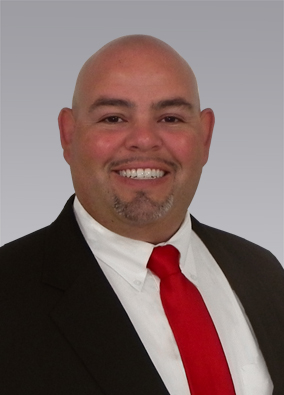
Pedro Casanova
| The KREN Group | Keller Williams Premier Properties | PLACE
or another way