
Categories
Selling a HomePublished September 9, 2026
Can You Sell a Miami-Dade Rental With a Tenant in It?

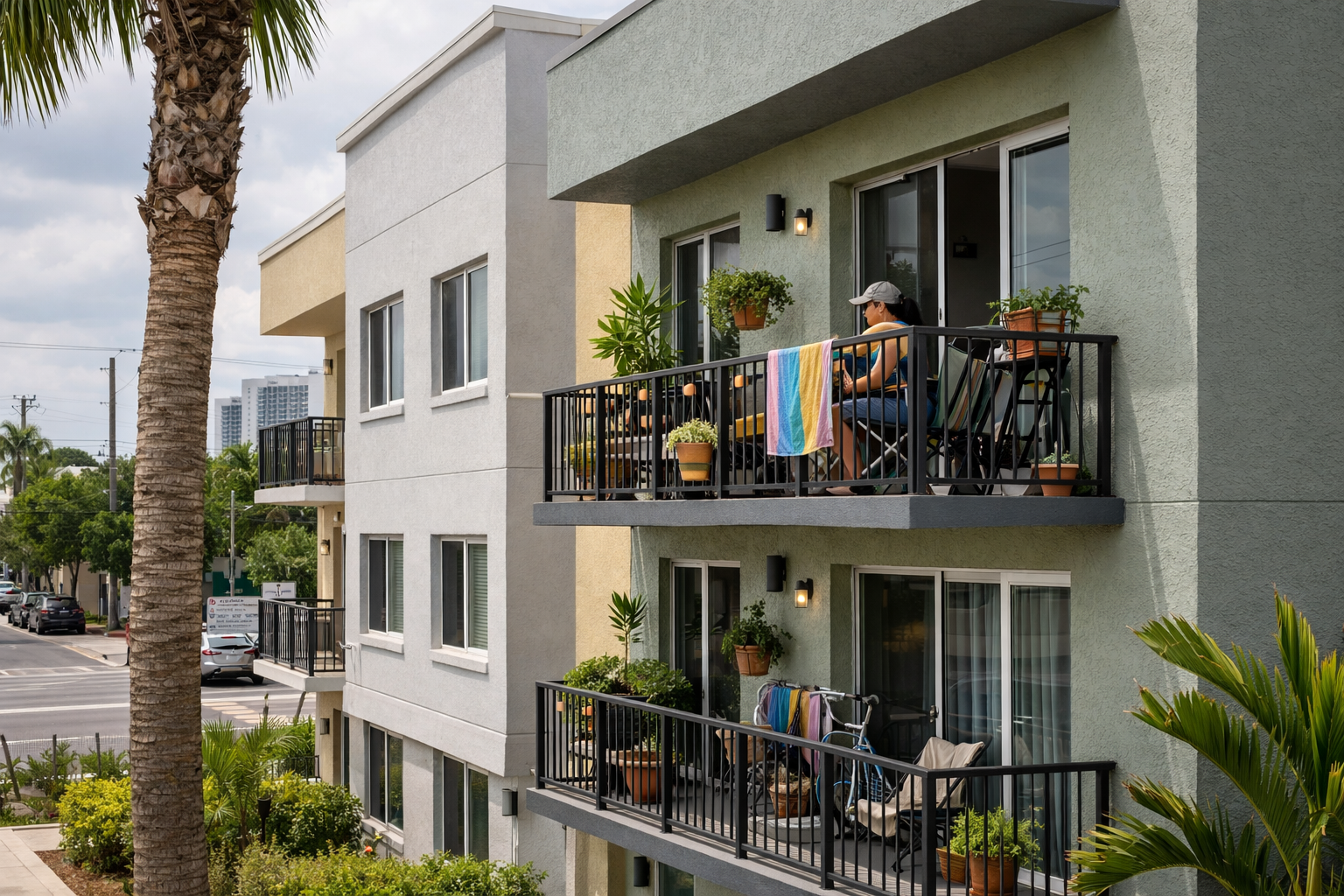
Can you sell a rental property in Miami-Dade with a tenant still living in it?
Yes. In Florida, selling does not end a lease — the lease transfers with the title, and your buyer steps into your shoes as landlord. A fixed-term lease runs to its end date regardless of who owns the property, while a month-to-month tenancy can be ended with 30 days' written notice under Florida Statute 83.57. The harder constraints are practical: an in-place lease narrows your buyer pool to investors, and the standard Florida contract gives that buyer a five-day window to terminate once they read your lease.
By Pedro Casanova | August 26, 2026
This is one of the most common questions Miami-Dade landlords are asking right now, and it usually arrives with an edge of frustration. Insurance renewals have reset the math on a lot of small rental portfolios. Owners want out. And then they look at the lease on the kitchen counter and assume they're stuck for another eight months.
You're not stuck. But you do need to understand which decisions are actually yours to make.
The lease is your buyer's problem now — and that reshapes your buyer pool
Here's the part most owners get backwards. The lease doesn't disappear at closing, and it doesn't need to. It conveys with the property. Your buyer inherits the tenant, the rent, the security deposit, and the remaining term exactly as written.
That's a feature if your buyer is an investor. Tenant in place, rent already flowing, no lease-up period — that's income from day one, and it's part of what they're valuing.
It's a problem if your buyer wants to live there. Owner-occupant financing has teeth on this point. FHA requires at least one borrower to occupy the property within 60 days of closing and hold it as a primary residence for at least a year. Conventional primary-residence loans carry comparable occupancy language. If your tenant's lease runs past that 60-day mark, an owner-occupant buyer using that financing can't close on your property. Not "shouldn't" — can't, without stepping into misrepresentation.
So the practical question isn't whether you can sell. It's which half of the market you're selling to.
That matters more than usual in this cycle. Miami-Dade is sitting at roughly 4.8 months of single-family supply and around 12 months on the condo side as of early August 2026, with about 77% of listings taking a price reduction and a median around 108 days on market. When roughly three out of four sellers are already cutting price, voluntarily removing owner-occupants from your buyer pool is a decision with a real number attached to it.
What Florida law actually lets you do
Three statutes govern almost every version of this question. None of them are long, and all of them have changed recently enough that stale advice is circulating.
Ending the tenancy — Florida Statute 83.57. This only applies to tenancies without a specific term. Notice periods run 60 days for year-to-year, 30 days for quarter-to-quarter, 30 days for month-to-month, and 7 days for week-to-week. The month-to-month figure was raised from 15 days to 30 by Chapter 2023-314, so any guide still citing 15 days is out of date. What this statute does not do is let you terminate a fixed-term lease because you sold the building. A sale is not grounds for early termination.
Showings — Florida Statute 83.53. Your tenant is not supposed to unreasonably withhold consent for you to show the unit to prospective purchasers. But you owe reasonable notice, which the statute sets at a minimum of 24 hours, with entry between 7:30 a.m. and 8:00 p.m. That was 12 hours until July 1, 2022. Plan your showing schedule around the 24-hour standard and put the notice in writing every time.
The security deposit — Florida Statute 83.49. On sale or transfer of title, all security deposits and advance rent must be transferred to the new owner along with any earned interest and an accurate accounting showing what's credited to each tenant. Once you've transferred the funds and records and received a written receipt, you're released from the obligation. Skip this step and the deposit stays your liability after you no longer own the asset.
One local note worth clearing up: Miami-Dade's Tenant's Bill of Rights extended notice provisions are not what governs this anymore. Florida Statute 83.425, created by HB 1417 and effective July 1, 2023, preempted residential tenancy regulation to the state and invalidated roughly 46 local ordinances across Florida. Chapter 83 is your rulebook now. Because parts of that preemption have been litigated, confirm your specific notice plan with a Florida real estate attorney before you send anything.
The paperwork that decides whether your closing happens on time
This is where tenant-occupied deals actually fall apart, and it's almost always avoidable.
The Florida Realtors/Florida Bar contract puts hard deadlines on you the moment you go under contract:
- Within 5 days after the Effective Date, you deliver copies of the lease or leases plus a written disclosure of the facts and terms of occupancy.
- The buyer then has 5 days after receiving those items to terminate — in their sole discretion — if the lease terms aren't acceptable, with their deposit refunded.
- At least 10 days before closing, you furnish estoppel letters from the tenants confirming the nature and duration of occupancy, rental rates, advance rent, and security deposits held. If a tenant won't sign one, you provide a seller's affidavit with the same information, and the buyer may contact the tenant to confirm it.
Estoppel letters aren't required on seasonal or short-term vacation rentals, which is its own conversation if you've been running the unit that way — and a different valuation conversation entirely in buildings that permit short-term rentals.
Two things follow from those deadlines. First, gather the signed lease, the deposit ledger, and the full rent history before you list — not after you're five days into a contract. Second, understand that a messy lease is a termination right you handed your buyer for free. Verbal side agreements, undocumented rent concessions, a deposit you can't reconcile — each one is a reason for the buyer to walk with their money.
If the rental is a condo, add one more layer. The association has 10 business days to deliver an estoppel certificate under Florida Statute 718.116, and the fee is capped at $299 when nothing is delinquent, plus up to $119 to expedite and up to $179 more if amounts are owed. Order it early. Association turnaround is one of the most common reasons Miami-Dade condo closings slip.
Vacant or occupied: running the actual math
There's no universal answer here, which is exactly why this decision deserves a real conversation rather than a rule of thumb.
Selling occupied makes sense when the rent is at or above market, the lease is clean and documented, and investor demand for your property type is healthy. Going-in cap rates for Miami-Dade multifamily are generally running about 4.5% to 6.5% in 2026 depending on submarket, age, and unit mix. If your in-place income underwrites well against that, the tenant is an asset, not a liability. Just underwrite honestly against what's coming — new apartment supply breaking ground across South Miami-Dade is part of the rent picture a serious investor buyer will be modeling.
Buying the lease out makes sense when the property shows better empty, when your rent is materially below market, or when opening the deal to owner-occupants would meaningfully widen your buyer pool. Cash-for-keys agreements commonly land between $1,000 and $5,000, though the range stretches from a few hundred dollars to well beyond that depending on the property and how much lease term remains. A frequent starting point is half a month to a full month's rent plus the return of the deposit. Get it in writing, and get it drafted properly.
Waiting for the lease to expire makes sense when the term is short, carrying costs are manageable, and you can afford the timing risk. That last part is doing a lot of work in this market. At roughly 108 days on market, waiting four months to list can easily mean closing seven or eight months from today.
Insurance belongs in that calculation too. Coastal Miami-Dade multifamily has been running roughly $2,200 to $2,800 per unit annually versus about half that inland. There's genuine relief arriving — Citizens Property Insurance is implementing a statewide average reduction of about 8.7% beginning with spring 2026 renewals, and more than 150,000 policyholders are seeing cuts of 10% or greater. Whether that changes your hold-versus-sell math depends entirely on your carrier and your specific renewal, and it's worth pricing before you commit either direction.
Your number depends on your rent roll, your lease term, your basis, and what your particular property type is doing in your particular submarket. That's not something a blog post can calculate for you.
Frequently Asked Questions
Does my tenant have to move out when I sell my Florida rental?
No. A sale is not grounds to terminate a fixed-term lease, and the lease transfers to the new owner with the property. Only tenancies without a specific term can be ended with statutory notice under Florida Statute 83.57 — 30 days for month-to-month, 60 days for year-to-year.
How much notice do I have to give a tenant before showing the property in Florida?
At least 24 hours, with the showing occurring between 7:30 a.m. and 8:00 p.m., under Florida Statute 83.53. The 12-hour standard many older guides cite was replaced effective July 1, 2022. Your tenant is not supposed to unreasonably withhold consent, but the notice obligation is yours.
Who keeps the security deposit when a rental property is sold in Florida?
The deposit transfers to the new owner. Florida Statute 83.49 requires you to hand over all security deposits and advance rent with any earned interest and an accurate per-tenant accounting. Once you transfer the funds and records and receive a written receipt, you're released from the obligation.
Can a buyer back out after seeing my tenant's lease?
Yes. Under the standard Florida Realtors/Florida Bar contract, you deliver the leases and occupancy disclosure within 5 days of the Effective Date, and the buyer has 5 days after receiving them to terminate in their sole discretion with a full deposit refund. A clean, well-documented lease is the best protection against that outcome.
Will I get less for a tenant-occupied property in Miami-Dade?
Not necessarily. Investors often pay more for a stabilized unit with income already in place. The pricing risk comes from losing owner-occupant buyers, which matters most for single-family homes and townhomes where that pool is largest — and matters far less for small multifamily.
Where that leaves you
Selling a tenant-occupied rental in Miami-Dade isn't a legal problem. It's a sequencing problem. Get your lease documents in order before you list, decide deliberately whether you're marketing to investors or clearing the property for owner-occupants, and build your timeline around the notice periods and contract deadlines instead of discovering them mid-deal.
If you want to run your specific numbers — rent roll against current cap rates, the cost of a lease buyout versus the price difference vacant, and what your submarket is actually doing right now — I offer a free buying or selling strategy session. No pressure, just a straight conversation about where you stand. You can grab a time here.
Nothing here is legal or tax advice. Notice requirements and contract deadlines carry real consequences, so confirm your plan with a Florida real estate attorney and your CPA before you act on it.
About Pedro Casanova
Pedro Casanova is a real estate broker that leads The KREN Group real estate team serving the Southeast Florida area. They specialize in helping people build wealth through real estate by helping buyers and sellers maximize their opportunity in every transaction. Connect with the team at www.thekrengroup.com.
The KREN Group | Keller Williams Premier Properties

Pedro Casanova
| The KREN Group | Keller Williams Premier Properties | PLACE
or another way