Published August 1, 2026
Historic Coconut Grove Playhouse Redevelopment Moves Forward After Key Approval

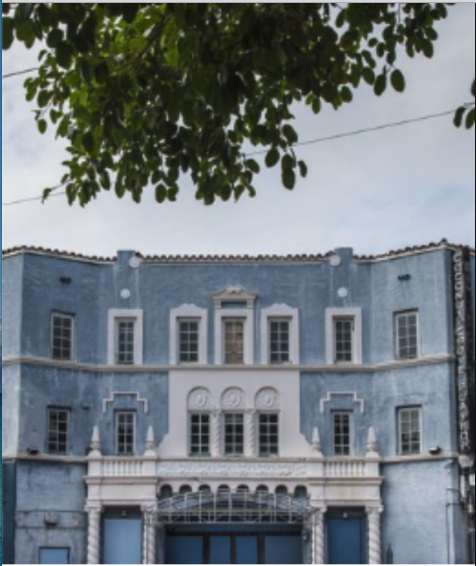
Historic Coconut Grove Playhouse Redevelopment Moves Forward After Key Approval
After years of planning, legal challenges, and community discussion, one of South Florida's most iconic cultural landmarks is finally one step closer to a new chapter. The Coconut Grove Playhouse, which has remained closed since 2006, recently received a major zoning approval from the City of Miami, allowing Miami-Dade County to move forward with its long-awaited redevelopment plans. The decision marks a significant milestone for a property that has long been considered both a historic treasure and an opportunity for neighborhood revitalization.
Originally opened in 1927, the Coconut Grove Playhouse became one of Florida's most celebrated performing arts venues, hosting legendary actors, Broadway productions, and nationally recognized performances for decades. The theater helped establish Coconut Grove as one of Miami's premier cultural destinations before financial struggles ultimately led to its closure nearly 20 years ago. Since then, the property has remained vacant while redevelopment plans faced multiple court battles, preservation debates, and public hearings.
The recently approved plan seeks to breathe new life into the historic property while preserving its architectural legacy. Rather than demolishing the landmark entirely, the redevelopment will retain the Playhouse's iconic historic façade and incorporate it into a modern performing arts complex. Plans include a new 310-seat theater, approximately 6,400 square feet of ground-floor retail and restaurant space, roughly 31,000 square feet of office space, and a 289-space parking garage. The estimated redevelopment cost is approximately $58 million, representing one of the largest cultural investments in Coconut Grove in decades.
Supporters believe the project will serve as an economic catalyst for Coconut Grove by bringing year-round visitors to the neighborhood. A functioning theater has the potential to increase foot traffic for nearby restaurants, boutiques, cafés, and local businesses, creating additional opportunities for economic growth. The addition of retail and office space is also expected to generate new jobs while strengthening the area's already vibrant business district.
Beyond its economic impact, the redevelopment represents an important investment in Miami's arts and cultural community. The new theater is expected to become home to professional performances while creating opportunities for educational programming and community engagement. Restoring an active performing arts venue to Coconut Grove will once again provide residents and visitors with a destination that celebrates creativity, live entertainment, and the neighborhood's rich cultural heritage.
Like many redevelopment projects involving historic properties, the proposal has generated differing opinions. Preservation advocates have expressed concerns about the extent of the changes to the original structure, while some nearby residents have raised questions about neighborhood character, traffic, and the project's potential impact on surrounding communities. At the same time, supporters argue that allowing the building to remain vacant indefinitely would place its long-term future at even greater risk.
From a real estate perspective, projects like this often have effects that extend well beyond the property itself. Significant public and private investments in cultural landmarks frequently encourage additional improvements throughout surrounding neighborhoods. New businesses, infrastructure upgrades, and increased visitor activity can strengthen local property values while making the area even more attractive to residents and investors.
The Coconut Grove Playhouse redevelopment also reflects a broader trend across Miami-Dade County: investing in historic properties while adapting them to meet modern community needs. Rather than replacing landmarks with entirely new construction, many redevelopment efforts now seek to preserve important architectural elements while introducing updated uses that ensure long-term sustainability.
Although additional permitting and construction work still lies ahead, this latest approval represents one of the biggest milestones in the project's long history. For Coconut Grove residents, business owners, and South Florida's arts community, the redevelopment offers the promise of transforming a long-vacant landmark into a vibrant destination once again.
As Miami continues to grow and evolve, projects like the Coconut Grove Playhouse demonstrate that preserving history and encouraging thoughtful development can go hand in hand. If successfully completed, the revitalized Playhouse will not only honor its remarkable past but also help shape the future of one of South Florida's most beloved neighborhoods.