
Published May 18, 2026
Historic South Beach Hotel Could See Major Changes as Redevelopment Pressure Grows

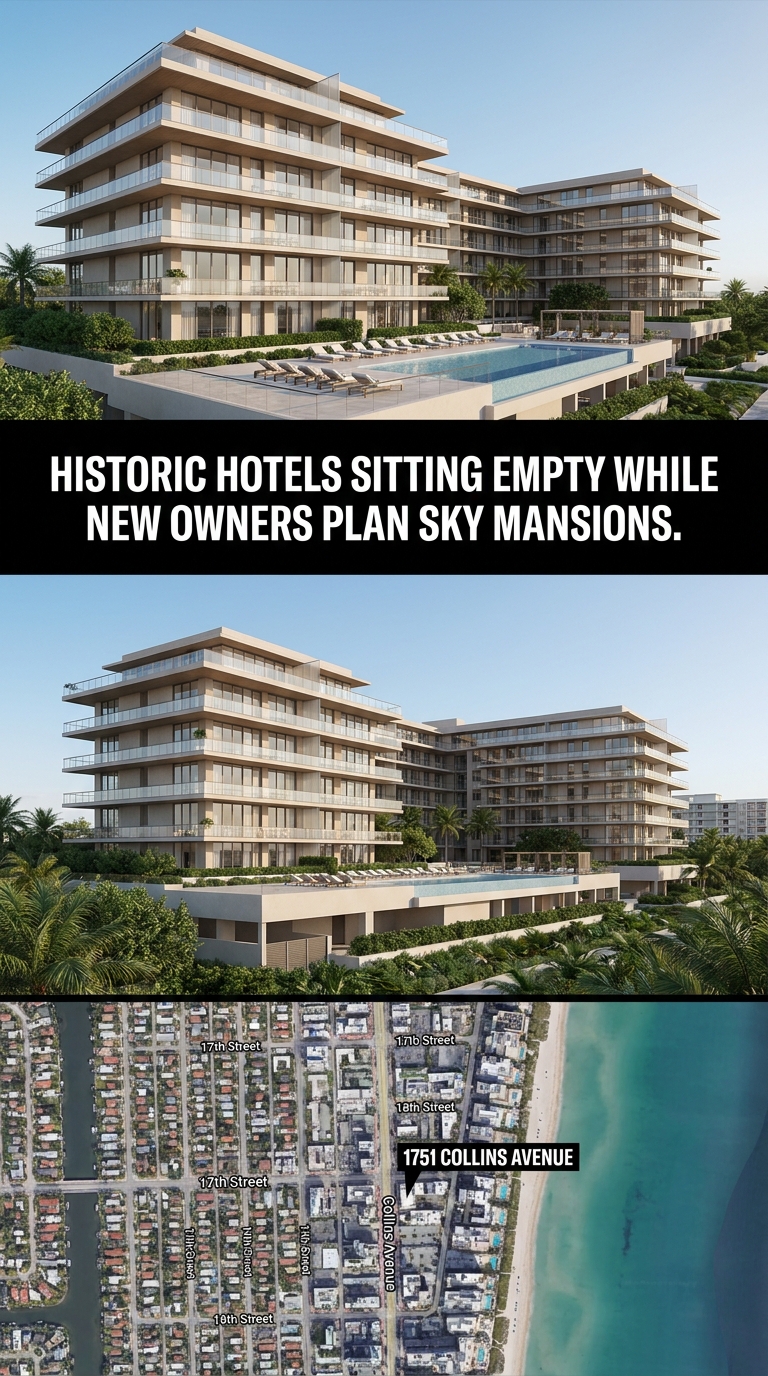
Historic South Beach Hotel Could See Major Changes as Redevelopment Pressure Grows
Another iconic South Beach property may soon enter a new chapter as Nahla Capital reportedly seeks approval for changes to a historic Miami Beach hotel, adding to the ongoing evolution of one of South Florida’s most recognizable neighborhoods.
The proposal highlights a growing trend across Miami Beach: balancing historic preservation with the increasing pressure for modernization, redevelopment, and higher-value hospitality experiences. As tourism, luxury travel, and real estate investment continue reshaping South Florida, owners of aging hospitality properties are looking for ways to remain competitive in a rapidly changing market.
South Beach has long been defined by its historic Art Deco architecture, boutique hotels, and vibrant nightlife. Many of these buildings date back decades and are protected under historic preservation guidelines designed to maintain the neighborhood’s unique identity and cultural significance.
However, maintaining older hotel properties in today’s economic environment has become increasingly challenging.
Rising insurance costs, higher maintenance expenses, stricter building requirements, and evolving guest expectations are placing pressure on property owners throughout Miami Beach. Developers and investors are now exploring renovations, redesigns, and repositioning strategies that allow historic assets to remain financially viable while preserving elements of their original character.
Nahla Capital’s reported plans are part of this broader shift happening across the hospitality sector.
Luxury travelers visiting Miami increasingly expect upgraded amenities, larger accommodations, wellness-focused experiences, rooftop concepts, and modernized interiors. Older boutique hotels often require substantial investment to compete with newer luxury developments entering the market throughout South Florida.
At the same time, historic preservation remains a deeply sensitive issue in Miami Beach.
Residents, preservation advocates, and city officials frequently debate how much change should be allowed within historically designated properties. While some support modernization efforts that help revitalize aging buildings, others worry that excessive redevelopment could erode the architectural identity that made South Beach internationally famous in the first place.
This tension between preservation and progress has become one of the defining conversations shaping Miami Beach’s future.
Over the past several years, South Beach has experienced a noticeable transformation. New luxury condominiums, upscale hospitality projects, and lifestyle-driven developments continue attracting wealthy buyers, international investors, and hospitality brands looking to capitalize on Miami’s global popularity.
Simultaneously, the city has worked to reposition parts of South Beach away from its party-centric reputation toward a more luxury-oriented and residential-friendly environment.
Projects involving historic hotels now sit at the center of that transition.
For investors, these properties represent rare opportunities to control prime real estate in one of the most visited destinations in the United States. For the city, they represent cultural landmarks that contribute to Miami Beach’s global brand and tourism economy.
As redevelopment activity accelerates across South Florida, historic properties are increasingly becoming focal points for adaptive reuse and modernization strategies.
While details surrounding the proposed changes continue moving through the review process, the project reflects the broader reality facing Miami Beach today: growth and preservation are colliding in increasingly visible ways.
What happens next could offer insight into how the city plans to navigate future redevelopment proposals involving historic assets throughout South Beach.
One thing remains certain — Miami Beach’s evolution is far from over, and its historic hospitality properties continue playing a major role in shaping the next phase of the city’s luxury real estate and tourism landscape.


