
Categories
HomeownershipPublished August 13, 2026
Inheriting a Miami-Dade Home? Your Tax Bill Just Changed

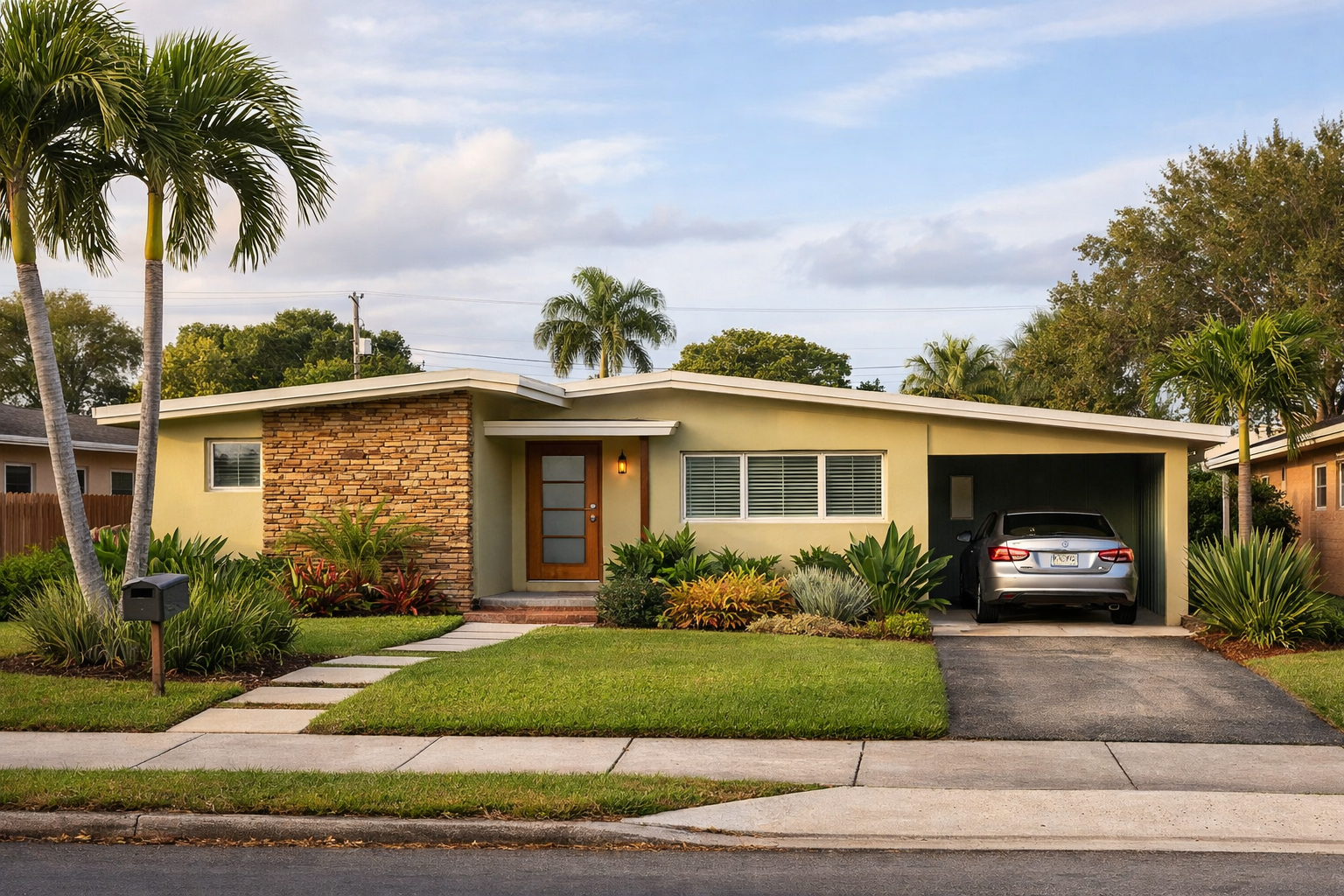
Inheriting a Miami-Dade Home? Your Tax Bill Just Changed
What Happens to the Homestead Tax Break When You Inherit a House in Miami-Dade?
Florida's homestead exemption and Save Our Homes assessment cap both end the moment the original owner dies, unless a surviving spouse continues living in the home as their primary residence. Heirs — including adult children splitting an inherited property — are reassessed at full market value the following tax year, which can mean a property tax bill several times higher than what your parents paid. The cap generally can't be ported to a different property by a non-spouse heir, and if even one sibling doesn't move into the inherited home, the whole group loses the exemption path. The good news: Florida just doubled the estate-value threshold for its fastest probate track, so more Miami-Dade families than ever can settle an estate in months, not a year.
By Pedro Casanova | August 6, 2026
I get this call more than almost any other: someone's parent passed away, the house is paid off or close to it, and the family assumes the property taxes will stay roughly where they've always been. Then the new tax bill shows up, and it's not close. Here's what's actually happening, and what your options are.
Why Your Property Tax Bill Jumps After You Inherit
Florida's homestead exemption knocks a meaningful amount off a primary residence's taxable value — for the 2026 tax year, qualifying homeowners can receive up to $51,411 in combined exemptions ($25,000 that applies to all millage, including school taxes, plus an additional $26,411 on non-school millage). Layered on top of that is the Save Our Homes cap, which limits how much a homesteaded property's assessed value can increase each year, regardless of what's happening to its market value.
Both benefits belong to the person who held the homestead — not to the property itself. When that owner dies, the exemption and the cap end, unless a surviving spouse keeps living there as their primary residence. If the home passes to adult children, siblings, or other heirs who don't occupy it as their own homestead, Miami-Dade reassesses the property at full market value starting the following year.
Here's what that looks like in practice: if a parent's home was assessed at $200,000 under a Save Our Homes cap while the actual market value had climbed to $600,000, the heirs inherit a property that gets reassessed at that full $600,000 — not the capped number. Property taxes are calculated off the new, higher number going forward. That's often a jump of two to three times the previous bill, sometimes more depending on how long the cap had been suppressing the assessed value.
What This Means for Siblings Splitting a House
Most of the inherited properties I work on have more than one heir attached to them, and that changes the math further.
- Portability generally doesn't transfer to non-spouse heirs. Florida's Save Our Homes portability lets a homeowner carry up to $500,000 of their accumulated tax benefit to a new Florida homestead — but that's a benefit for the person who held the homestead, not something siblings can split or claim individually when they inherit.
- One non-occupying sibling can cost everyone the exemption. If three siblings inherit a house and only one moves in and files for their own homestead exemption, the reassessment picture gets complicated fast — full homestead protection generally requires the occupying heir to hold clear ownership standing, and co-ownership with siblings who don't live there routinely blocks it.
- A surviving spouse is the clean exception. If your other parent is still alive and continues living in the home as their primary residence, the homestead exemption and Save Our Homes cap carry forward uninterrupted. The tax jump only hits once the surviving spouse is no longer the occupant.
None of this is a reason to rush a decision. It's a reason to know your actual numbers before you decide whether to keep, rent, or sell.
Florida Just Made Probate Faster for More Estates
If you're an executor or personal representative worried about how long this is going to take, there's a genuinely useful update here.
As of July 1, 2026, Florida raised the threshold for Summary Administration — the state's simplified, fast-track probate process — from $75,000 to $150,000 in nonexempt assets. Homestead property doesn't count toward that limit, so an estate can hold a paid-off Miami-Dade home and still qualify for the fast track based on the rest of the estate's value. Summary Administration typically wraps in a matter of weeks rather than months, with no personal representative appointment required — the court simply enters an order distributing the assets.
Estates that don't qualify still go through Formal Administration, which generally runs six to twelve months. But you don't necessarily have to wait for the entire process to close before selling. Once a personal representative is appointed — usually within two to four weeks of filing — they typically have the legal authority to list and sell real property, even while the rest of the estate is being settled.
Should You Keep, Rent, or Sell?
Once you know your household's actual reassessment number, the decision usually comes down to three paths:
- Move in and homestead it yourself. If one heir buys out the others or the family agrees one sibling will occupy the home, that heir can file their own homestead exemption and start building their own Save Our Homes cap from the new assessed value going forward. It won't match your parents' old capped number, but it stops further increases beyond the annual limit.
- Rent it out. You keep the asset and generate income, but the property is taxed at full market value with no homestead protection, and you take on landlord responsibilities and Florida's rental licensing and insurance requirements.
- Sell it. Heirs typically receive a stepped-up cost basis at the date of death, which can significantly reduce capital gains exposure compared to what your parents would have owed selling the same house — this is a federal tax question worth confirming with a CPA, but it's one of the more overlooked upsides of inheriting property versus receiving it as a gift during someone's lifetime.
Your right answer depends on the estate's actual numbers, how many heirs are involved, and whether anyone wants to occupy the property — that's exactly the kind of situation I walk families through before anyone lists, rents, or files paperwork.
If you're an heir or executor trying to figure out what an inherited Miami-Dade property is actually worth and what your options look like, I offer a free buying or selling strategy session — no pressure, just a straight conversation about where you stand. You can grab a time here.
Frequently Asked Questions
Does my parent's Save Our Homes cap transfer to me when I inherit their house?
Generally, no. The Save Our Homes cap and homestead exemption belong to the person who held the homestead, and both end at their death unless a surviving spouse continues occupying the home. Non-spouse heirs are reassessed at full market value the year after inheriting, and portability of the old cap to a different property isn't available to them.
How much will my property taxes go up after inheriting a house in Miami-Dade?
It depends entirely on the gap between the old assessed value and current market value. A home assessed at $200,000 under a long-standing Save Our Homes cap but worth $600,000 on the market would be reassessed at the full $600,000, which can mean a tax bill two to three times higher than what the original owner paid.
What is Florida's new summary administration threshold, and does my parent's estate qualify?
As of July 1, 2026, Florida raised the Summary Administration threshold from $75,000 to $150,000 in nonexempt assets, and homestead property doesn't count toward that limit. If the rest of the estate's assets fall under $150,000, it likely qualifies for this faster, simpler probate track instead of full Formal Administration.
Can I keep the homestead exemption if I move into my inherited house?
Yes. If you move into the inherited home and make it your primary residence, you can file for your own homestead exemption and start building your own Save Our Homes cap from the current assessed value forward. It won't restore your parents' old capped number, but it limits future increases.
Do I have to wait for probate to fully close before I can sell an inherited house?
Not necessarily. Once a personal representative is appointed, which typically happens within two to four weeks of filing, they usually have the authority to list and sell real property even while the rest of the estate is still being settled, especially under Florida's faster Summary Administration track.
About Pedro Casanova
Pedro Casanova is a real estate broker that leads The KREN Group real estate team serving the Southeast Florida area. They specialize in helping people build wealth through real estate by helping buyers and sellers maximize their opportunity in every transaction. Connect with the team at www.thekrengroup.com.
The KREN Group | Keller Williams Premier Properties

Pedro Casanova
| The KREN Group | Keller Williams Premier Properties | PLACE
or another way