Published May 4, 2026
South Florida’s Shift: From Auto Shops to Vertical Living

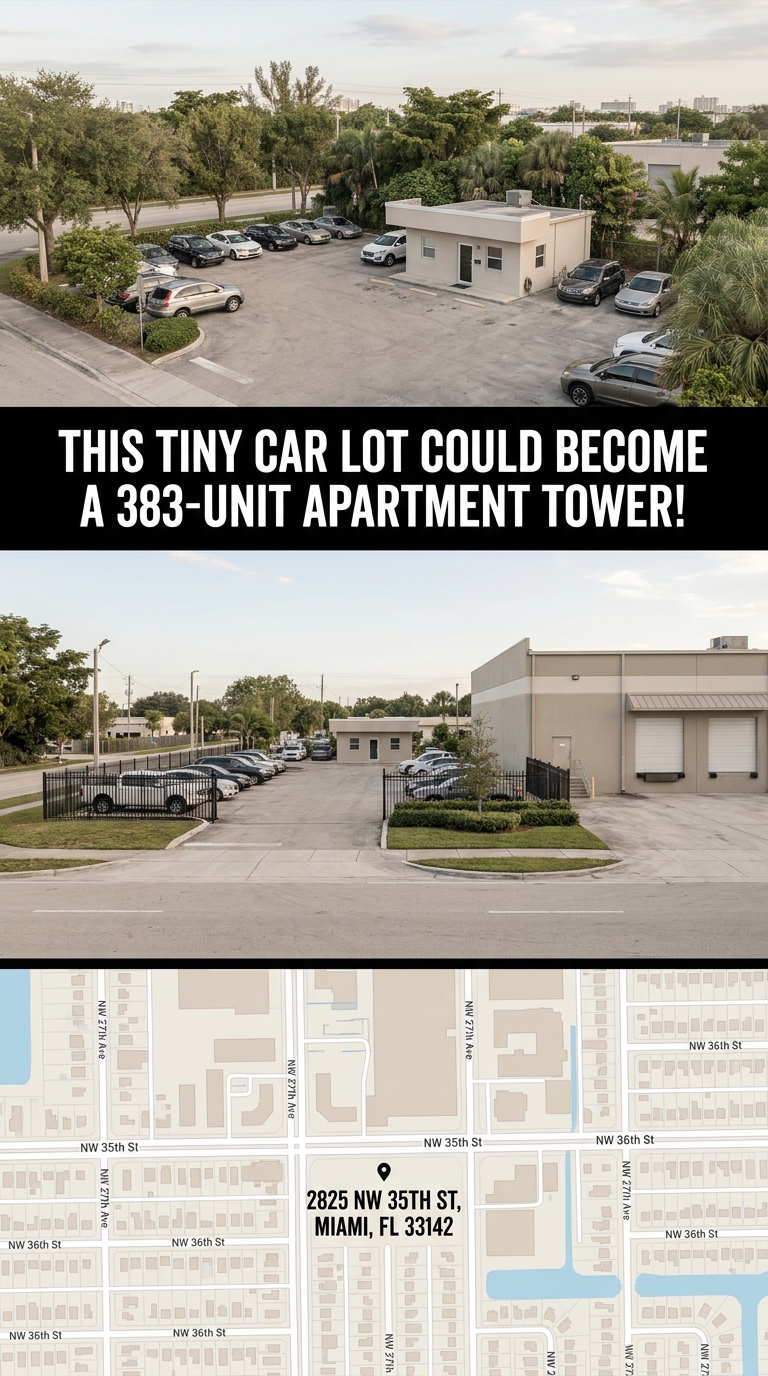
South Florida’s Shift: From Auto Shops to Vertical Living
South Florida’s real estate landscape is evolving rapidly, and one of the clearest signs is the transformation of older commercial properties into residential developments. A newly proposed project in Broward County aims to replace an automotive building with an eight-story residential structure—highlighting a major shift in how land is being used across the region.
Why This Trend Is Accelerating
For decades, South Florida expanded outward. But today, buildable land is increasingly limited, especially in prime urban areas. As a result, developers are pivoting toward vertical construction.
This shift is driven by three key factors:
1. Land Scarcity
There is less available land in high-demand areas like Miami, Fort Lauderdale, and Hollywood. Redeveloping underutilized sites—like automotive shops—offers a strategic solution.
2. Housing Demand
Population growth continues across South Florida, increasing the need for both market-rate and affordable housing options. Mid-rise developments allow for more units without requiring massive land parcels.
3. Urban Revitalization
Replacing outdated commercial buildings with residential projects brings new life to neighborhoods. These developments often attract new businesses, improve walkability, and increase overall property values.
What This Means for Buyers and Investors
This trend presents significant opportunities.
Buyers may benefit from increased housing supply, particularly in emerging neighborhoods that were previously overlooked. For investors, these redevelopment zones often represent early entry points before prices rise.
Historically, areas that transition from low-density to higher-density housing experience appreciation over time. As infrastructure improves and demand grows, surrounding properties tend to follow an upward trajectory.
The Bigger Picture for Miami Real Estate
This isn’t just one project—it’s part of a larger movement shaping the future of South Florida. From Miami-Dade to Broward and Palm Beach County, similar redevelopment patterns are emerging.
Older retail centers, warehouses, and automotive properties are being repositioned into residential and mixed-use developments. This reflects a broader urban strategy focused on density, efficiency, and sustainability.
Final Thoughts
The replacement of an automotive building with an eight-story residential project may seem like a small change—but it represents a powerful trend.
South Florida is no longer just expanding outward. It’s building upward.
For those watching closely, this shift offers insight into where the next opportunities in Miami real estate will emerge.