
Categories
Buying a home, Homeownership, Investing in Real EstatePublished November 6, 2026
Inherited a Miami-Dade House With a Mortgage? Your Options


Can the lender make you pay off an inherited Miami-Dade mortgage right away?
Generally, no. Federal law bars a lender from calling a residential mortgage due just because the home passed to a relative after the borrower's death, so you usually don't have to refinance or sell on the lender's timeline. What you do have to do is keep the loan current, because the lien stays on the house and missed payments can still lead to foreclosure. With the 30-year fixed average at 7.40% (Freddie Mac, October 15, 2026), a low-rate loan you inherit may be worth more than the house's sale price suggests.
By Pedro Casanova | October 19, 2026
If a parent or relative left you a Miami-Dade house with a mortgage still on it, you're probably dealing with two fears at once: "Does the bank take it back?" and "Am I now on the hook for this debt?" Those are the two questions I hear first, and the answers are more reassuring than most heirs expect — as long as you act in the right order.
What federal law actually protects
The Garn-St Germain Act (12 U.S.C. § 1701j-3) lists transfers a lender can't treat as a trigger for the due-on-sale clause. Two of them matter here: "a transfer to a relative resulting from the death of a borrower," and a transfer where the borrower's spouse or children become an owner. The protection applies to loans secured by residential property with fewer than five dwelling units, which covers the typical Kendall house, Pinecrest home, or Doral townhome.
A second layer sits on top of that. Under the CFPB's mortgage servicing rules (Regulation X, 12 CFR 1024.31), a relative who inherits the property is a "successor in interest." Once the servicer confirms your identity and ownership interest, you're a "confirmed successor in interest," and the servicer must treat you as a borrower for most servicing protections — and it may not require you to formally assume the loan to get them (12 CFR 1024.30(d)). Servicers also have to promptly tell you which documents they need to confirm who you are (12 CFR 1024.38(b)(1)(vi)).
What this does not mean: the loan doesn't disappear, the payment doesn't pause, and the protection doesn't promise you'll qualify for a loan modification or a lower rate. It means the lender can't force a fire sale because of the death alone.
The first 30 days: what to do, in order
- Keep the payments current. During probate, the personal representative usually pays from estate funds. Under Florida law, the personal representative has the right to take possession and control of the decedent's property (F.S. 733.607). For a protected homestead, the statute says the representative is authorized, but not required, to take possession (F.S. 733.608). That's why it's worth confirming, in writing, who is making the mortgage, tax, and insurance payments — a gap here is how a perfectly good house ends up in default.
- Contact the servicer and send documentation. Ask for the successor-in-interest or "estate" department, a death certificate, and proof of your relationship. Ask for the payoff figure, the interest rate, the remaining term, the escrow balance, and whether the loan is FHA, VA, USDA, or conventional. Each has its own assumption rules.
- Confirm the insurance is still in force. If coverage lapses, the servicer can buy its own policy and charge the cost to the loan, and it's typically more expensive and covers less. If the house is empty, get the insurance in order before anything else — vacancy clauses often start limiting coverage after 30 to 60 days.
- Don't sign anything that makes you personally liable until you understand it. Inheriting a property with a mortgage doesn't, on its own, make you personally responsible for the debt. A formal assumption or a new loan in your name does. That's a decision to make on purpose, not by default.
Your four real options (and when each one wins)
1. Keep the loan and keep paying. If the rate is low, this can be the strongest move. You keep the existing balance, rate, and term, and you avoid new closing costs. Whether you must formally assume the loan, and whether you need to requalify, depends on the lender and loan type, so ask directly.
2. Refinance into your name. This makes sense if the old loan has a high rate, a balloon, or an adjustable reset — or if you need to buy out siblings. The catch is today's rate. Refinance closing costs commonly run 2% to 5% of the loan amount.
3. Sell and pay off the loan at closing. The title company pays the lender from the proceeds and the rest goes to the estate or heirs. If you plan to sell, the timing questions are covered in our guide on how soon you can sell an inherited house in Miami-Dade.
4. Walk away. If the loan balance exceeds the home's value, you aren't required to keep it. Options include a disclaimer, a short sale with lender approval, or negotiating with the lender. This is attorney territory — get probate counsel involved before you decide.
A worked example: why the rate is the number that matters
Here's a hypothetical, not a quote. Say a Kendall house is worth $720,000 and carries a $240,000 balance at 3.25% with about 22 years left.
- Keep the existing loan: principal and interest of about $1,274 a month.
- Refinance the same $240,000 at 7.40% over 30 years: about $1,662 a month.
- The difference: roughly $388 a month, or about $4,650 a year — before refinance closing costs.
If the plan is to sell, none of that matters; you pay the loan off at closing. On a $720,000 sale, Miami-Dade deed doc stamps at $0.60 per $100 come to about $4,320, and the payoff comes out of your proceeds. If the plan is to keep the house, that gap is the cost of giving up the old loan. If you're buying out siblings, you'll want to model both paths — the old loan on the existing balance plus separate financing for the buyout versus one new loan for everything. This is exactly the kind of math I walk heirs through before anyone signs a listing agreement or a buyout.
The tax and timing pieces that change the answer
Inherited property generally receives a stepped-up cost basis — set to market value at the date of death — which can sharply reduce capital gains if you sell soon after. That's a federal tax rule, so confirm the details with a CPA. Florida adds its own timing question: the decedent's homestead exemption ends at death, and an heir can claim it only if the house becomes their permanent residence on January 1 of the tax year. We covered that in Inheriting a Miami-Dade Home? Your Tax Bill Just Changed.
Probate itself is often a 6-to-12-month process in a formal administration, so the mortgage will usually need to be paid for a good part of a year before title moves to the heirs. Build that into your cash plan.
Frequently Asked Questions
Do I have to pay off an inherited mortgage immediately in Florida?
No. Under federal law, a lender generally can't call the loan due only because the property passed to a relative after the borrower's death. You still have to keep the payments current to avoid foreclosure.
Am I personally liable for my parent's mortgage if I inherit the house?
Not just by inheriting it. The lien stays on the house, and the lender can foreclose if payments stop, but personal liability generally comes from formally assuming the loan or signing a new one. Talk to a probate attorney before you sign anything.
Can I keep my parent's low interest rate?
Often, yes. The protections for heirs and the servicer's obligations to confirmed successors in interest are meant to let you keep the loan on its existing terms. How formal assumption works varies by lender and loan type, so ask the servicer in writing. With the 30-year fixed at 7.40%, the old rate can be worth real money.
Who pays the mortgage while the estate is in probate?
Usually the personal representative, from estate funds, if there are any. If the estate has no cash, heirs often advance the money and settle up later — keep receipts and ask your probate attorney how reimbursement works.
Should I sell or keep an inherited house with a mortgage?
It depends on the rate, the equity, the condition, and whether anyone wants to live in it. Run the carrying costs against the sale proceeds first: payment, taxes, insurance, and repairs versus your net after the payoff and closing costs.
Your next step
If you've inherited a Miami-Dade house with a mortgage, you don't have to decide in week one — but you do have to decide on purpose. If you want to run the keep-versus-refinance-versus-sell numbers for your own situation, I offer a free buying or selling strategy session — no pressure, just a straight conversation about where you stand and what your options are. You can grab a time here.
This post is general information, not legal, tax, or lending advice. Pedro Casanova is a real estate broker, not an attorney or CPA — consult a Florida probate attorney, your servicer, and a tax professional about your specific situation.
About Pedro Casanova
Pedro Casanova is a real estate broker that leads The KREN Group real estate team serving the Southeast Florida area. They specialize in helping people build wealth through real estate by helping buyers and sellers maximize their opportunity in every transaction. Connect with the team at www.thekrengroup.com.
The KREN Group | Keller Williams Premier Properties
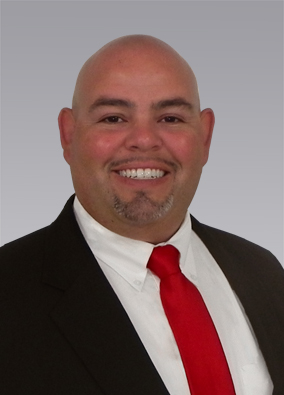
Pedro Casanova
| The KREN Group | Keller Williams Premier Properties | PLACE
or another way