
Categories
HomeownershipPublished October 26, 2026
Inherited a Vacant Miami-Dade House? Insurance Comes First

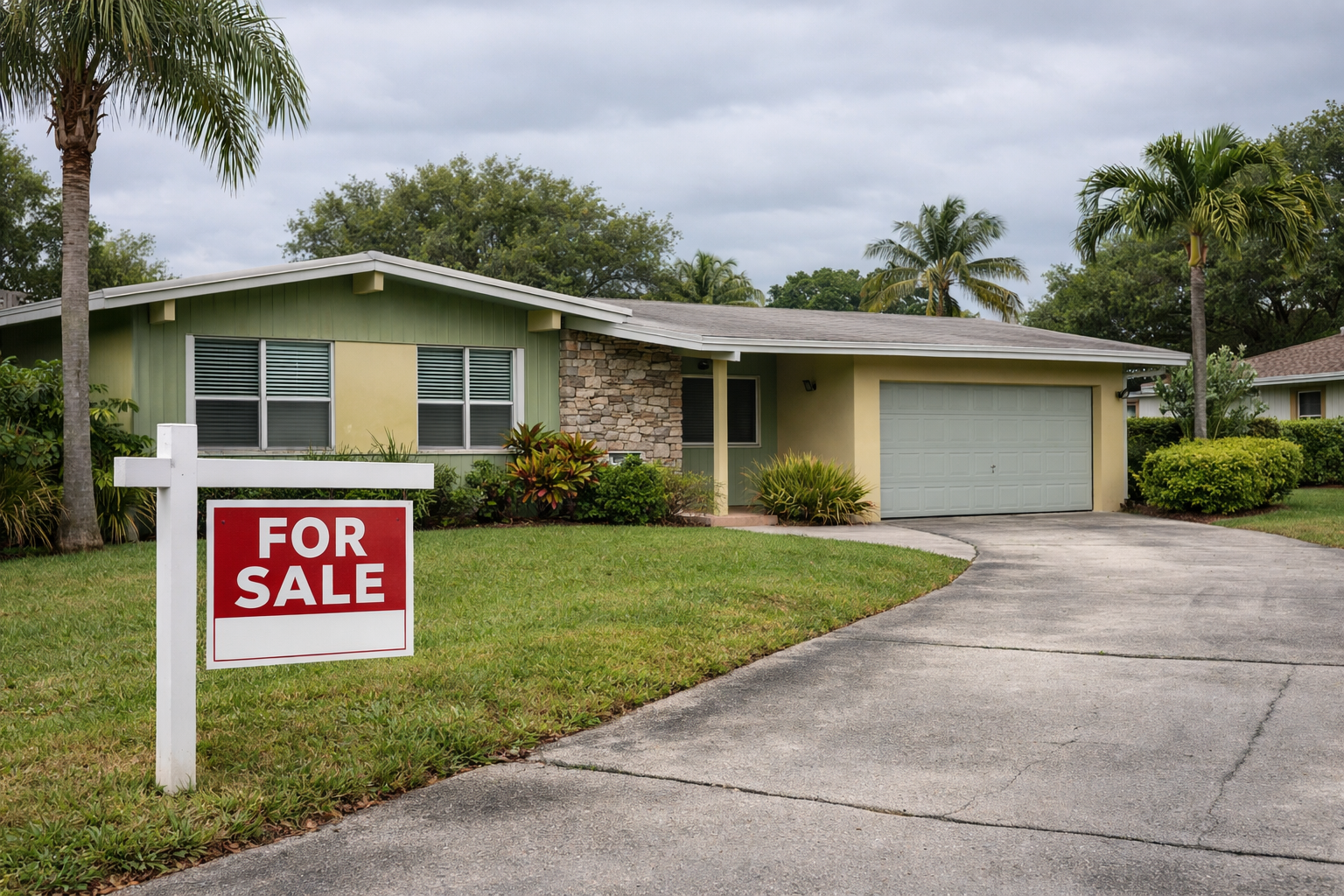
Can an inherited Miami-Dade house lose its insurance while it sits empty during probate?
Yes. Most homeowners policies limit or exclude coverage once a house has been vacant for 30 to 60 consecutive days, and Florida probate routinely runs longer than that. The policy was also written for the person who died, so the insurer has to be told, and Florida law doesn't automatically make anyone responsible for insuring the house in the meantime. Call the carrier in week one, ask exactly what the vacancy clause says, and price a vacant-dwelling policy before the clock runs out.
By Pedro Casanova | October 9, 2026
When a parent or relative passes and the house goes quiet, the instinct is to start on paperwork. The bigger early risk is a slow leak or a break-in nobody notices for three weeks, in a house whose policy may no longer pay for it. It's the question that surfaces the moment a family realizes nobody lives there anymore: who is insuring this thing, and for how long?
Why an empty house is a different risk to your insurer
Insurers draw a line between unoccupied and vacant, and the line matters more than most heirs expect.
- Unoccupied means nobody lives there, but the home is still furnished.
- Vacant means no people and little or no furniture or belongings. One Florida industry guide notes that many insurers treat a home as vacant when less than about 35% of it holds furnishings, so an early cleanout can flip a covered house into a vacant one.
After a set number of consecutive days empty, commonly 30 to 60 depending on the policy, many policies narrow coverage. Vandalism, glass breakage, and water damage are the perils most often cut, and some policies let the insurer deny nearly any claim. Even on a covered loss, a vacancy provision can reduce what you collect. Your policy's own wording controls, so read it rather than assuming.
Three more points catch heirs off guard:
- The policy doesn't pass to you automatically. The named insured has died. Carriers expect prompt notice, and coverage may require updating the named insured or writing a new policy.
- Describe the home accurately. Misstating occupancy to keep a premium low is how a claim gets denied.
- Flood is separate. A vacant house sitting in a high-water Miami-Dade zone needs its own flood coverage. Neither a standard homeowners policy nor a vacant-dwelling policy covers it.
Who's responsible for the house while probate is open?
Often, nobody has a clear legal duty, and that's the trap. If the house was the decedent's protected homestead, F.S. 733.608 keeps it out of the estate assets the personal representative uses to pay expenses. The statute says the personal representative is authorized, but not required, to take possession of an unoccupied homestead to safeguard it, and isn't liable for choosing not to. If the representative does spend money to insure, maintain, or protect it, the statute gives a lien for those expenses.
In practice, that means the heirs usually front the cost, and who gets reimbursed from what is sorted out later. Keep every receipt, and ask your probate attorney how the reimbursement or lien will be handled before you start spending.
Two other gates to know about:
- Signing authority. Until a court issues Letters of Administration, nobody can sign contracts for the estate. I walked through that timeline in how soon you can sell an inherited house in Miami-Dade. Insurers will ask who is signing, so expect to show paperwork.
- A mortgage on the house. Lenders generally expect notice within 30 days if the home becomes vacant, and may require specialized coverage. Keep making payments while the estate sorts itself out.
Your first-week checklist
- Secure it. Collect every key, change or rekey the locks, forward the mail, and photograph or video every room and the exterior with dated files. Make a contents inventory.
- Call the insurer and get answers in writing. Is the policy still in force? Who is the contact? How many vacant days does it allow, and what changes after that?
- Price your options. Ask about a vacancy permit endorsement, and get a quote for a vacant-dwelling policy. These are often named-peril policies written in 3-, 6-, or 12-month terms, and many carry a prorated refund if the house sells.
- Check flood. Look up the flood zone and ask whether a separate policy is in force.
- Keep the utilities on. Power keeps the A/C running to control humidity, and water damage is one of the biggest risks in an empty house. Walk the house weekly and keep a log with the date, who went, and what you saw.
- Plan for storms. The Atlantic hurricane season runs through November 30. Know who handles shutters, yard debris, and post-storm checks.
- Watch the tax calendar. Miami-Dade bills arrive in November, and paying in November earns the largest early-payment discount of 4%. Unpaid taxes go delinquent after March 31. The bill itself may also jump when the property changes ownership, which I covered in what happens to your tax bill when you inherit a Miami-Dade home.
- Tell the association. If there's an HOA, the dues keep running and the board should know who to call.
Keep insuring it, or sell?
Vacant-dwelling coverage costs more than a standard policy. One Florida guide puts it at 50% to 60% above standard, which on the statewide 2024 average premium of about $14,140 works out to roughly $21,000 to $22,600 a year. Another industry source says one and a half to three times standard. Miami-Dade quotes can run higher or lower, so treat these as ranges for planning, not quotes.
Here's what that does to a real decision. On a house near the August 2026 Miami-Dade single-family median of $680,000, six months of vacant coverage at that statewide estimate is roughly $10,500 to $11,300, before property taxes, utilities, HOA dues, and lawn care. Add the cost of a storm or a loss the policy won't pay, and every month the house sits empty has a price.
That doesn't mean you should rush. If one heir wants to live in it, rent it, or keep it, those choices change both the insurance and the tax picture, and your siblings may not agree. If selling is the plan, the clock that matters is how fast you can get signing authority and market-ready. Inherited property generally receives a stepped-up basis to its date-of-death value, so a prompt sale often produces little or no taxable gain, which your CPA should confirm.
Your numbers depend on the house, the policy, the flood zone, and how long probate will take. That's exactly the kind of math I run with families before anyone lists.
Frequently Asked Questions
Does homeowners insurance end when the owner dies?
Not automatically, but it doesn't transfer on its own either. Notify the insurer promptly, ask how the named insured should be updated, and confirm the policy stays in force while the house is empty. Wording varies by carrier, so get the answer in writing.
How long can an inherited house sit empty before coverage is limited?
Commonly 30 to 60 consecutive days, depending on the policy. Furnished-but-empty ("unoccupied") and fully empty ("vacant") are treated differently, so check which term your policy uses and how it defines it.
Who pays for insurance, taxes, and upkeep during probate?
Florida doesn't require the personal representative to take possession of a protected homestead, and the statute gives a lien for sums spent preserving it. In practice, heirs or the representative often advance the money and settle later, so keep receipts and ask a probate attorney how reimbursement works.
Is vacant-dwelling insurance much more expensive?
Usually, yes. One Florida guide estimates 50% to 60% more than a standard policy, and another source says 1.5 to 3 times standard. Terms are often 3, 6, or 12 months, and many carriers prorate a refund if the house sells.
Next step
If you've inherited a house and the clock is already running, the first call is to the insurance company, and the second is to someone who can tell you what the house is worth and how fast it can sell. I offer a free buying or selling strategy session — no pressure, just a straight conversation about where you stand and what your options are. You can grab a time here.
About Pedro Casanova
Pedro Casanova is a real estate broker that leads The KREN Group real estate team serving the Southeast Florida area. They specialize in helping people build wealth through real estate by helping buyers and sellers maximize their opportunity in every transaction. Connect with the team at www.thekrengroup.com.
The KREN Group | Keller Williams Premier Properties
Pedro Casanova
| The KREN Group | Keller Williams Premier Properties | PLACE
or another way