
Categories
Investing in Real Estate, Staging and PrepPublished October 13, 2026
Inherited a Miami-Dade House With a Reverse Mortgage?


What happens when you inherit a Miami-Dade house that has a reverse mortgage?
The loan becomes due when the last borrower dies. Once the servicer sends a due-and-payable notice, you get 30 days to pay it off, sell the house, or deed it back. Extensions can stretch that to about a year if you're actively working on a sale or refinance. If the house is worth more than the balance, you sell and keep the difference. If it's worth less, a sale at 95% of the appraised value settles the debt. Because the loan is non-recourse, you never owe more than the house is worth.
By Pedro Casanova | September 23, 2026
Most heirs find out about the reverse mortgage the same way. A letter from a loan servicer they've never heard of shows up a few weeks after the funeral, and it has a deadline in it.
The letter looks like a demand to pay a six-figure balance in 30 days. It isn't quite that. But the clock in that letter is real, and every month you let it run costs you money.
This question is getting more attention right now. HousingWire ran a piece on September 21, 2026 about reverse mortgage heirs "facing a clock," and consumer advocates told HUD in December 2025 that heirs need faster, clearer answers from servicers. In Miami-Dade, a Florida probate case or a hard-to-reach servicer can easily eat up the time you have.
Here's how it actually works, and how to decide what to do with the house.
The timeline: 30 days on paper, up to a year in practice
Almost every reverse mortgage in Miami-Dade is a Home Equity Conversion Mortgage (HECM) insured by the FHA. HUD's rules for these loans set the sequence:
- The loan becomes due and payable when the last surviving borrower dies. An eligible non-borrowing spouse can delay this (more on that below).
- The servicer notifies HUD, then notifies the estate and heirs. Federal rules (24 CFR 206.125) require the notice within 30 days of notifying HUD or getting HUD's approval.
- You get 30 days from that notice to pay off the loan, sell the property, or sign a deed in lieu of foreclosure.
- The servicer can extend you up to six months total if you show you're actively selling or refinancing.
- Two more 90-day extensions are possible with HUD approval. If you use all of them, you get about 12 months.
The word that matters in steps 4 and 5 is documented. The servicer doesn't extend your deadline because you asked nicely. You get more time by sending proof: a signed listing agreement, an executed sale contract, a refinance application, or a probate filing. If you have nothing on paper, expect foreclosure to start once the six months run out.
One more thing heirs miss: the balance keeps growing the whole time. Interest and mortgage insurance premiums on a reverse mortgage are added to the loan every month. HUD's own heir guide also says property taxes and insurance stay the estate's job until title changes hands. Waiting to decide doesn't just use up the clock. It shrinks whatever equity is left.
The Florida wrinkle: who has authority to sign
The servicer will only work with someone who has legal authority. Usually they ask for a death certificate plus a document proving that authority. In Florida, that document depends on how the house was titled:
- Titled in your parent's name alone: usually you need Letters of Administration from the probate court before anyone can sign a listing agreement, a contract, or a deed. Summary administration now covers estates up to $150,000 in non-exempt assets, since July 1, 2026. That's faster, but it still takes time. I cover this step by step in how soon you can sell an inherited house in Miami-Dade.
- Enhanced life estate deed ("lady bird deed"): the named beneficiaries record the death certificate. Title can move in days, not months.
- Revocable trust: the successor trustee signs with a certification of trust.
If probate is required, open the probate case right away and send the filing to the servicer. An open probate case counts as documented progress. A family still deciding whether to hire a probate attorney does not.
Your three options, with Miami-Dade numbers
HUD's rules give heirs three ways out. Which one fits depends on how the balance compares with what the house is worth today.
Option 1: Sell the house and keep the equity
This is how most Miami-Dade heirs resolve it, and in many cases the math works out well. In August 2026, the median single-family sale price in Miami-Dade was $680,000, according to MIAMI REALTORS®. Many parents took out their reverse mortgage years ago, against a much lower value.
Here's an example. Your mother's Kendall house is worth $650,000 and the reverse mortgage balance is $360,000. You sell, the title company pays off the servicer at closing, and the estate keeps what's left after costs. That's roughly $240,000 or more, depending on commission, doc stamps ($3,900 at $0.60 per $100 on a $650,000 single-family sale), title charges, and any repairs you agree to.
You don't need the servicer's permission to sell above the payoff amount. You do need to ask for a written payoff statement early and keep it updated, because the number rises every month.
Option 2: Sell for 95% of appraised value when the house is underwater
Now suppose the balance has grown past the value. A West Kendall condo appraises at $300,000 and the balance is $340,000. You're not stuck, and you don't owe the $40,000 difference.
Under HUD's rules, you can sell for at least 95% of the current appraised value, which is $285,000 here. The lender accepts the net proceeds as payment in full. FHA mortgage insurance, which your parent paid for over the life of the loan, covers the rest.
The details that trip people up:
- The servicer orders the appraisal from an FHA roster appraiser within 30 days of your request. When the loan is due and payable, the servicer pays for it up front and gets reimbursed from the sale.
- Allowable closing costs are capped at 11% of the sale price or a fixed dollar amount set by HUD, whichever is greater.
- A short sale has to be arm's-length. You can't sell it to a relative or a close business associate at the 95% figure.
- Condos add a layer. A Miami-Dade condo buyer still needs association approval. Unpaid dues or special assessments against the unit can hold up the closing. Order the estoppel certificate as soon as you have a contract.
Option 3: Hand the house back with a deed in lieu
If the house is well underwater, or no one in the family wants to deal with a sale, you can sign a deed in lieu of foreclosure. The house goes back to the lender, and the estate owes nothing more.
Most heirs never ask about this part: HUD lets servicers pay you to do it. Under Mortgagee Letter 2023-23, effective March 25, 2024, a servicer may offer "cash for keys." If a deed in lieu or short sale closes within 365 days of the due-and-payable date, the offer can be up to $7,500 plus up to $5,000 in documented probate costs. Between days 366 and 547, it drops to $5,000 plus probate costs. The house has to be left broom-clean with built-in appliances and fixtures in place.
This is at the servicer's discretion, not a right. But you won't get it if you don't ask, and it can cover a large part of the probate bill.
What about keeping the house?
This is where the internet gets it wrong. Many sites say heirs can keep an underwater house by paying 95% of its value. HUD's own guidance for heirs says something different. So does the CFPB's reverse mortgage page, last reviewed August 28, 2026: to keep the home, you pay the loan balance in full. The 95% figure applies when the house is sold.
In practice, if you want the house and the balance is below its value, you pay off the full balance. Most families do that with a new mortgage in the heir's name, so you need to qualify on your own income. With 30-year rates around 7.17% in mid-September, that payment can be steep. Before you commit, ask the servicer in writing what payoff it will accept from a family member. Don't count on a number you read online.
Before you decide, check these four things
These are the questions I walk heirs through before we talk about listing:
- Is there an eligible non-borrowing spouse? A surviving spouse who was named as a non-borrowing spouse when the loan was made may be able to stay in the home for life. They must establish a legal right to stay within 90 days of the death and keep meeting the loan's obligations. If that applies, the timeline above doesn't start yet.
- Is it an FHA-insured HECM or a private "jumbo" reverse mortgage? The 2026 HECM lending limit is $1,249,125. Higher-value homes in Pinecrest, Coral Gables, or Palmetto Bay often carry proprietary reverse mortgages. Those loans follow their own documents, not HUD's rules, so read the note and recorded mortgage before assuming the 95% rule or cash for keys applies.
- Is the house insured right now? A vacant house is the biggest risk you carry during these months, and many policies limit coverage after 30 to 60 days of vacancy. If a hurricane damages an uninsured house, the equity you're protecting can disappear. The roof and insurability issues in checking a Miami-Dade house's insurability matter for a quick sale, too.
- Who will live in it, if anyone? Homestead ends at death unless a qualifying heir moves in, and the tax bill resets the following January. I explain how that plays out in what happens to your tax bill when you inherit a Miami-Dade home. It matters more if you're weighing whether to keep the house.
Every one of these depends on your family's situation, and on what the house would actually sell for today, not what Zillow said last spring.
Frequently Asked Questions
How long do heirs have to pay off a reverse mortgage in Florida?
After the servicer's due-and-payable notice, heirs have 30 days to pay, sell, or deed the house back. The servicer can extend that up to six months if you document active progress. Two more 90-day extensions are possible with HUD approval, for about 12 months total.
Do heirs have to pay the reverse mortgage out of their own money?
No. An FHA-insured reverse mortgage is non-recourse, so the debt is limited to the house itself. If the balance is higher than the home's value, selling for at least 95% of the appraised value, or signing a deed in lieu, settles the loan with nothing owed.
Can I keep my parent's house if it has a reverse mortgage?
Yes, but HUD's heir guidance and the CFPB both say you must pay the loan balance in full to keep it. Most heirs do that with a new mortgage in their own name. Get the servicer's accepted payoff amount in writing before you apply for financing.
Do I need probate before I can sell a house with a reverse mortgage in Miami-Dade?
It depends on how the title was held. A house in your parent's name alone usually requires Letters of Administration before anyone can sign a contract or deed. A lady bird deed or a revocable trust can avoid that. Filing probate quickly also shows the servicer documented progress, which is what earns extensions.
What is "cash for keys" on a reverse mortgage?
It's an optional payment a servicer can offer heirs who complete a deed in lieu or short sale. Under HUD Mortgagee Letter 2023-23, it can be up to $7,500 plus up to $5,000 in documented probate costs if completed within 365 days of the due-and-payable date. You have to ask for it.
The clock is the real cost
A reverse mortgage on an inherited house is rarely the disaster the servicer's letter makes it sound like. The loan is non-recourse, many Miami-Dade houses still have real equity, and HUD's rules give you three clean ways out. What costs families money is time: interest adding up, probate that never gets filed, and extensions lost because nobody sent the paperwork.
If you've received one of these letters, a free buying or selling strategy session is a good first step. We'll look at what the house would sell for today, compare it to the payoff, and map out which of the three options fits your family and your deadline. No pressure. You can pick a time that works for you here.
About Pedro Casanova
Pedro Casanova is a real estate broker that leads The KREN Group real estate team serving the Southeast Florida area. They specialize in helping people build wealth through real estate by helping buyers and sellers maximize their opportunity in every transaction. Connect with the team at www.thekrengroup.com.
The KREN Group | Keller Williams Premier Properties
This article is general information about federal HECM rules and Florida property transfers, not legal or tax advice. Talk to a Florida probate attorney and your loan servicer about your specific situation. A HUD-approved housing counseling agency can also explain your options at no cost.
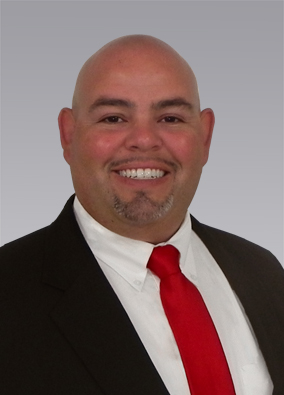
Pedro Casanova
| The KREN Group | Keller Williams Premier Properties | PLACE
or another way