
Categories
Buying a homePublished October 23, 2026
Buy a Miami-Dade Home Sight Unseen: Safe Remote Closing

Can you safely buy a Miami-Dade home without seeing it in person?
Yes. Florida law allows remote online notarization, and most of the transaction — offer, inspection, loan, and closing — can run without you on site. What makes it safe is a short list of protections: an independent inspector who works for you, insurance quotes tied to the actual address before your inspection period ends, closing-day signing that your lender and title company have approved in advance, and wire instructions you confirm by phone yourself.
By Pedro Casanova | October 7, 2026
The question I hear most from relocators isn't "Can I do this remotely?" It's "What happens if I get it wrong?" Fair. Miami-Dade is not a market where you want to learn by doing. Here's how to take the risk out of buying a home you haven't walked through.
Where the market stands before you start
Miami-Dade single-family sales in August 2026 had a median price of $680,000, up 3.8% from a year earlier, with 4.9 months of supply, a median of 40 days to contract, and sellers receiving about 95.3% of original list price, according to Miami Realtors. That's a balanced-to-buyer-friendly single-family market, not a frenzy. You have time to do this correctly. No home here is worth skipping the steps below.
Condos are a different story. They carry more building-level risk, and that risk is the hardest thing to judge from a video tour. I'll get to it below.
The five protections that replace "I walked through it"
1. Hire your own eyes on the ground.
Your agent's video walkthrough is useful, but it isn't an inspection. Book a licensed inspector who works for you, and ask for photo and video documentation plus a live call to talk through findings. Ask your agent to record a live video walk at the actual address — windows, faucets, panel, ceiling stains, the garage, the yard drainage — and then compare it to the listing photos. Add the specialty reports Miami-Dade insurers care about: a four-point inspection (roof, electrical, plumbing, HVAC) and a wind mitigation inspection. Budget for these separately from the base inspection fee, because inspectors typically bill them as add-ons.
2. Get the insurance answer before the inspection period ends.
This is the one that sinks out-of-state buyers. Under the standard Florida Realtors/Florida Bar "AS IS" contract, the default inspection period is 15 days, and there's no separate insurance contingency. If you find out in week three that no carrier will write the policy at a price you can live with, your deposit may be at risk. Start quote requests the day your offer is accepted, using the actual roof age, the four-point findings, and the wind mitigation report. I walk through the roof-age rules in our guide to checking whether a Miami-Dade house can be insured, and I'd read it before you make an offer.
3. Decide how you'll sign — and get your lender and title company to agree in writing.
You have three practical options, and all three are legal in Florida:
- Remote online notarization (RON): a recorded audio-video session where a notary verifies your ID. Florida authorized it under F.S. 117.265. Closing documents often wrap up in about an hour once everything is ready.
- Mail-away closing: documents are couriered to you, signed in front of a local notary, and returned. Plan on 1–3 extra business days.
- Mobile notary: a notary comes to you, with fees commonly in the 150–300 range depending on location and timing.
Not every lender accepts RON, and requirements can differ by loan type. Ask your lender in week one, not week four. Also ask the title company how it handles witness requirements on the mortgage for a remote signing.
4. Treat wire instructions as the most dangerous email you'll receive.
The FBI's Internet Crime Complaint Center reported more than $275 million in real estate-related fraud losses across 12,368 complaints in 2025, up from about $173 million across 9,359 complaints in 2024. Remote closings run on email, which is exactly where fraudsters work. The rule is simple: never wire on the strength of an email alone. Call the title company at a phone number you found independently — their website or your contract — and confirm every digit of the instructions. Do it again if anything changes. The title company, not your agent, is the right place to verify.
5. Build in your exit before you fall in love with the photos.
Ask your agent to write a clear inspection-period plan: when your inspection happens, when the insurance quotes are due, and what you'll do if either one comes back wrong. If you're buying a condo, remember Florida gives you a 7-day window (excluding weekends and legal holidays) to cancel after receiving the association documents under F.S. 718.503, and a waiver of that right has no effect. Read the budget, the reserves, any special assessment, and the milestone and reserve-study documents. For the full ownership-cost picture, see what relocating to Miami-Dade really costs beyond the mortgage.
A realistic timeline for a remote buyer
Here's how I lay it out for clients who are still in another state:
- Before touring: get pre-approved, confirm the lender accepts remote signing, and set up your quote requests with an insurance agent.
- Offer accepted (day 1): deposit goes to the escrow agent on the contract's schedule, inspection and insurance quotes start immediately.
- Days 2–10: inspection, four-point, and wind mitigation reports; live video call with the inspector; insurance quotes tied to those reports.
- Before the inspection period ends: decide — proceed, renegotiate, or cancel — in writing and on time.
- Closing week: review your Closing Disclosure at least three days before closing, line up your signing method, and confirm wire instructions by phone.
- After closing: line up your homestead filing. The exemption turns on your title and residency as of January 1 and a March 1 filing deadline, and the November 3 ballot measure could change the math — I explain it in what relocators need to know before December 31.
On a $680,000 single-family purchase, doc stamps run about $4,080 at $0.60 per $100 — customarily a seller cost in Florida, but a good reminder to read every closing-cost line even when you're not the one paying it.
Your own numbers will depend on the property, the loan, and how fast you can move. That's the point where a local plan beats a general guide.
Frequently Asked Questions
Is it legal to close on a Florida home without being there?
Yes. Florida authorized remote online notarization under F.S. 117.265, and mail-away, mobile-notary, and power-of-attorney options also exist. Your lender and title company decide which methods they'll accept for your loan, so confirm early.
Can I back out if the house isn't what the video showed?
Only if your contract gives you a way out. Under the standard "AS IS" contract, your main protection is the inspection period, which defaults to 15 days. Use it fully, and send any cancellation notice in writing before the deadline.
What does a remote closing add to the timeline?
An online notarization session can finish in about an hour once documents are ready. A mail-away closing adds roughly one to three business days for shipping and return.
What's the biggest risk of buying without seeing the home?
Insurability and condition surprises, and wire fraud at the end. You can control both: get the four-point and wind mitigation reports, collect insurance quotes before your inspection period ends, and verify wire instructions by phone.
Is a sight-unseen purchase smarter for a house or a condo?
Houses are easier to verify remotely because the condition is the whole story. Condos add association finances, reserves, and assessments that a video can't show, so read every document inside the 7-day window.
Your next step
Buying from afar works when every risky step has a person and a deadline attached to it. If you want to build that plan for a specific Miami-Dade home — or figure out whether to wait until you can visit — I offer a free buying or selling strategy session. No pressure, just a straight conversation about where you stand. You can grab a time here.
About Pedro Casanova
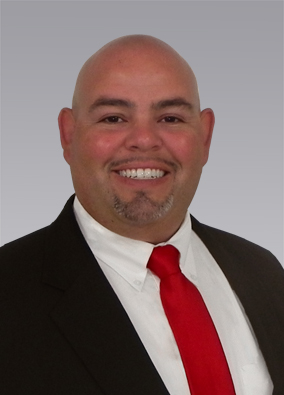
Pedro Casanova is a real estate broker that leads The KREN Group real estate team serving the Southeast Florida area. They specialize in helping people build wealth through real estate by helping buyers and sellers maximize their opportunity in every transaction. Connect with the team at www.thekrengroup.com.
The KREN Group | Keller Williams Premier Properties
This article is general information, not legal, tax, or insurance advice. Confirm details with your lender, title company, and insurance agent.
Pedro Casanova
| The KREN Group | Keller Williams Premier Properties | PLACE
or another way